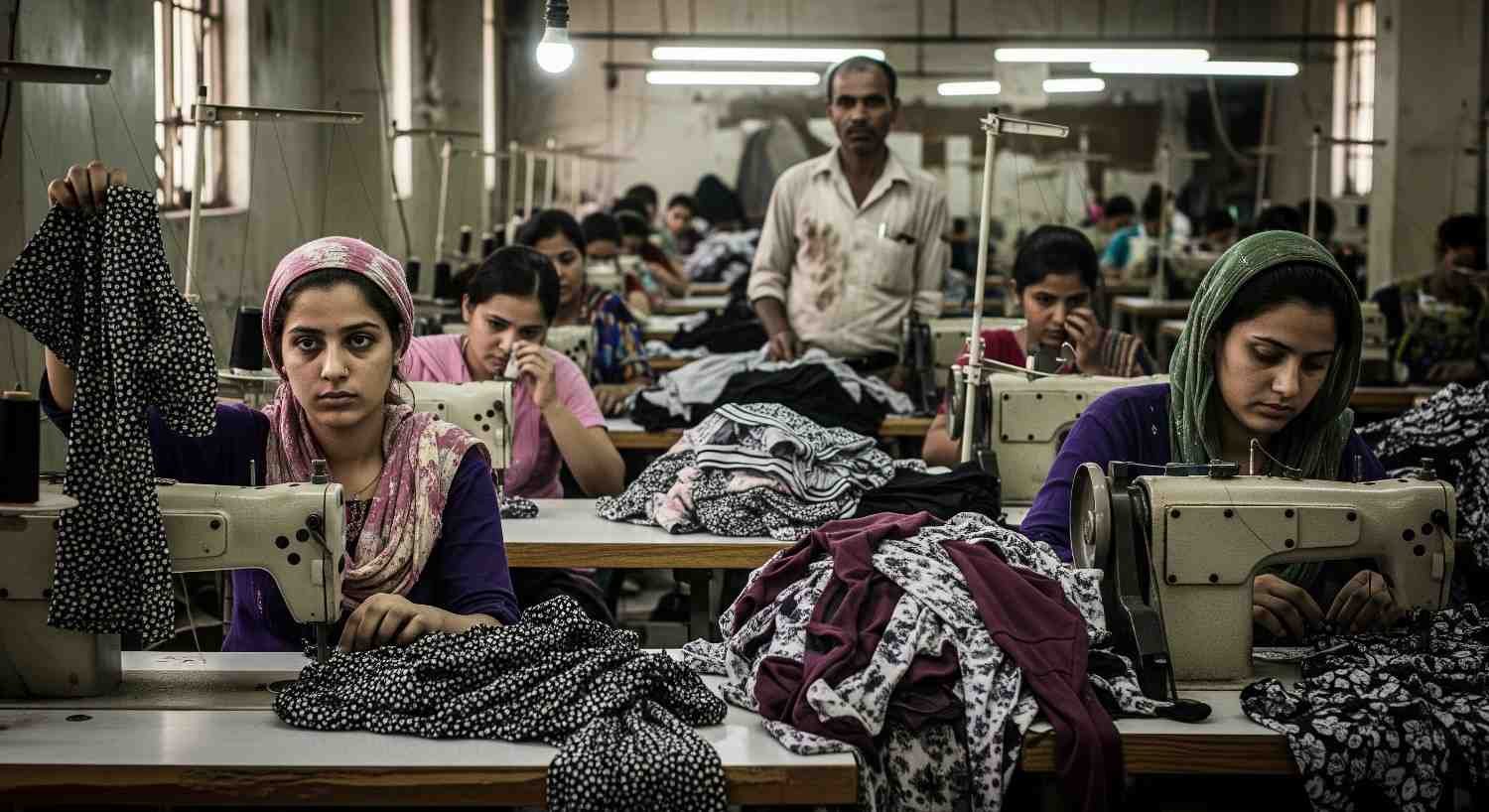
Challenges and Repression for Women Garment Workers
Women garment workers in South Asia face pervasive labor challenges, as detailed in the recent Amnesty International report, “Stitched Up.” This investigation exposes widespread harassment, repression, and various forms of maltreatment endured by workers in a global industry employing approximately 100 million individuals, predominantly women. In South Asia, garment workers account for an estimated 40% of manufacturing employment, often contending with systemic human rights abuses.
These abuses frequently include the denial of decent work conditions, living wages, and adequate social protection. A critical issue is the systematic repression of the right to freedom of association, particularly the formation and joining of independent trade unions. SindhNews.com reports that workers, especially women, encounter overwhelming obstacles when organizing due to fear of employer retaliation such as dismissal, harassment, and even violence. This directly breaches ILO Convention 98, which safeguards workers against anti-union discrimination.
Reprisals Against Women Garment Workers
Union activities often precipitate severe reprisals. Nazia, a garment factory worker in Lahore, recounts witnessing sexual harassment and job termination for those attempting to establish unions or refusing management demands. Mutahidda Labour Federation General Secretary Hanif Ramay confirms the absence of registered independent unions in the Lahore division, stating that individuals attempting to organize are immediately dismissed. Many factories operate through pro-management “yellow unions.” While Pakistan Textile Exporters Association Chairman Sohail Pasha disputes these claims for the home textiles sector, affirming strict policies against harassment, the report’s individual testimonies paint a different picture.
The Amnesty International findings underscore a dire situation for many women garment workers, highlighting the urgent need for robust enforcement of labor rights and stronger protections against exploitation in the South Asian garment industry.