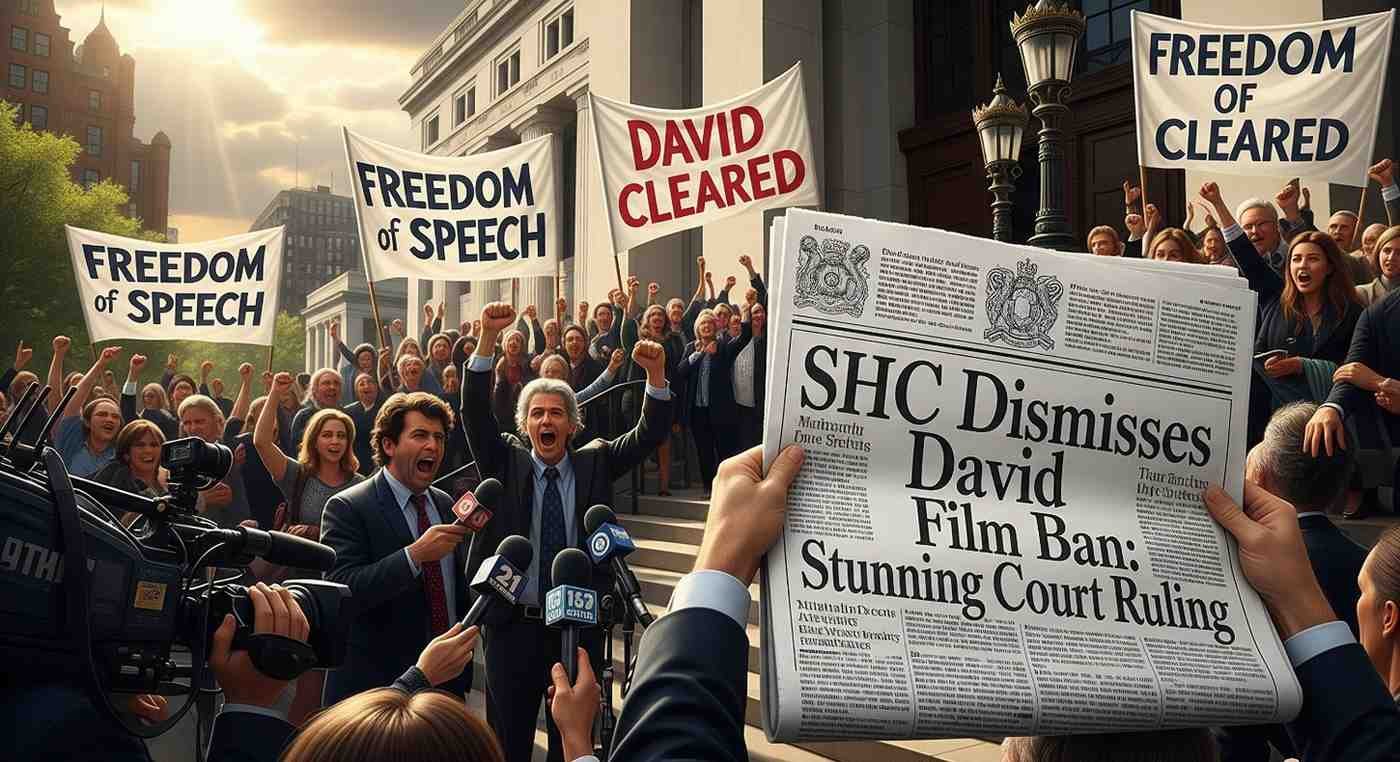
SHC Dismisses Petition Against Animated Film “David”
The Sindh High Court (SHC) on Wednesday dismissed a petition demanding a ban on the animated biblical film “David (2025),” which was alleged to have hurt the religious sentiments of Muslims. The court deemed the plea “misconceived” at the preliminary hearing stage.
The petition, filed by citizen Abdul Razzaq, named respondents including the federal government, Pakistan Electronic Media Regulatory Authority (Pemra), and the film censor board. It sought to halt the release of the animated motion picture.
The film is reportedly based on the life of a prophet recognized across major monotheistic faiths. However, its theatrical trailer allegedly depicted narratives inconsistent with Islamic teachings, prompting concerns that it would deeply offend Muslim religious sentiments.
Precedent Set by Previous Filings
The SHC bench, comprising Justice Adnan-ul-Karim Memon and Justice Yousuf Ali Sayeed, referenced an identical petition filed in 2022. That petition sought to ban the film “Joyland” on grounds of allegedly portraying an inappropriate relationship.
SindhNews.com reported that the court reiterated the observations from the “Joyland” case ruling. The previous bench had emphasized that courts should not make moral judgments to curtail freedom of speech and expression.
Safeguarding Freedom of Expression
The court’s order highlighted that once a cinematic work passes through the censors and receives certification, individual objections should not override such decisions through legal proceedings. The judiciary’s role under Article 199 is to safeguard fundamental rights, including freedom of speech and expression, as protected by Article 19 of the Constitution.
The SHC stressed the importance of a stringent test for any restrictions imposed by the censor board or competent authorities. These restrictions must be demonstrably “reasonable” in the strictest sense, according to the court’s findings.
Avoiding Unnecessary Censorship
The court concluded that it is not the judiciary’s function to morally police the public or to devise restrictions on what can be viewed. Such actions can stifle creativity and societal growth, as noted by legal experts familiar with the proceedings.
The bench expressed confidence that Islam, as a prominent global religion, is robust enough to withstand a fictionalized cinematic portrayal. They also conveyed that society is not so fragile as to collapse due to such artistic expressions.
The dismissal of the petition signifies the court’s commitment to upholding freedom of expression, while also implying that concerns about religious sentiments can be addressed through existing censorship mechanisms rather than outright bans sought in court.