Summary:
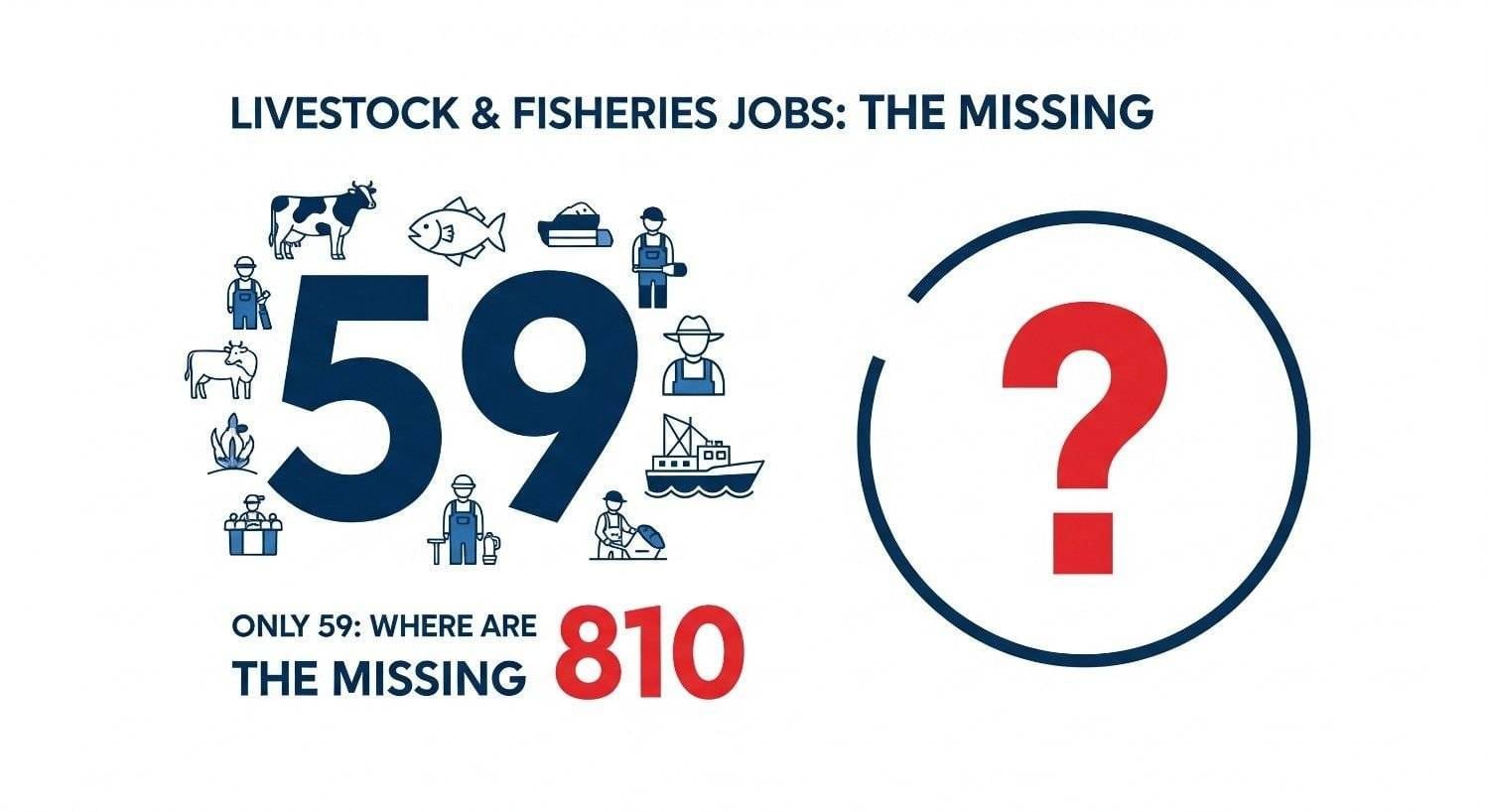
A significant disparity has emerged regarding job opportunities within Sindh’s Livestock and Fisheries Department. Out of an identified 869 vacancies, only 59 have been publicly advertised, raising questions about the recruitment process and the status of the remaining 810 positions. Transparency and timely action are now being demanded from the provincial authorities.
Sindh’s Livestock and Fisheries Vacancies: A Call for Transparency
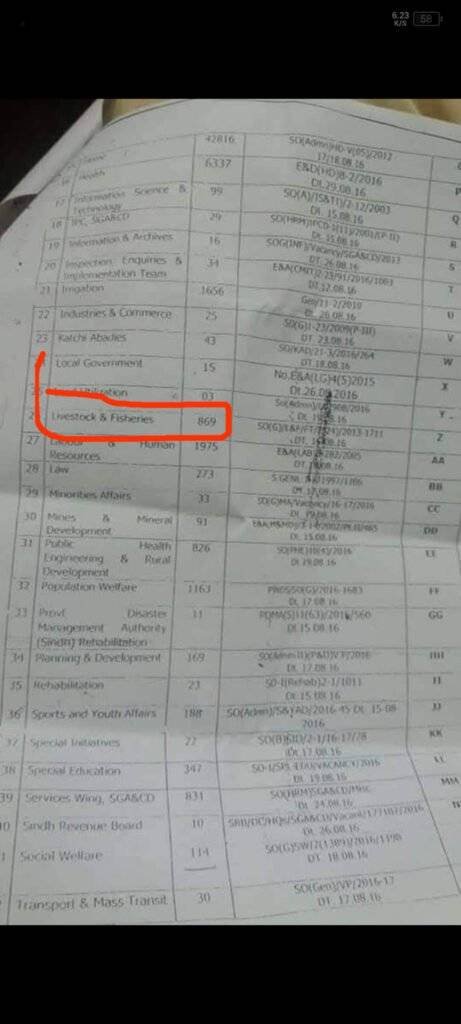
Livestock and Fisheries vacancies in Sindh have recently come under scrutiny following revelations of a considerable discrepancy between approved positions and those publicly advertised. Official data indicates a substantial 869 vacancies identified across various critical roles within the province’s Livestock and Fisheries Department. However, remarkably, only 59 of these positions have been officially announced for recruitment, sparking widespread concern and demands for clarity from both job seekers and civil society.
This significant divergence, highlighting 810 unadvertised vacancies, prompts serious questions regarding the provincial government’s recruitment strategies and the future of these crucial roles. The Livestock and Fisheries sector is a cornerstone of Sindh’s rural economy and daily livelihoods, making the timely and transparent staffing of its department absolutely essential for effective service delivery, regulatory oversight, and vital development initiatives across the province.
Unraveling the Mystery of Unadvertised Livestock and Fisheries Vacancies
The process by which these 869 Livestock and Fisheries vacancies were initially identified and subsequently approved is a key area of inquiry. While the public advertisement of 59 positions shows some departmental activity, the vast majority of sanctioned roles—a staggering 93%—appear to be in an unexplained state of limbo. SindhNews.com has been actively covering this developing story, amplifying the public’s growing concern. This situation inevitably leads to speculation among eligible candidates and various stakeholders about the precise reasons for the delay and the projected timeline for filling the remaining positions.
Despite repeated inquiries, officials from the Livestock and Fisheries Department have yet to offer a comprehensive explanation for this substantial gap. General administrative hurdles, budgetary re-evaluations, or ongoing policy reviews could potentially contribute to delays in the advertisement of such specialized Livestock and Fisheries vacancies. However, the absence of clear, official communication only serves to deepen uncertainty and erode public trust in the recruitment process.
Filling these unadvertised positions extends beyond mere job creation; it is fundamentally about bolstering the operational capacity of a department critical for ensuring food security, maintaining animal health standards, and fostering economic growth within Sindh. Unfilled roles can impose heavy workloads on existing staff, impede the successful implementation of crucial projects, and ultimately diminish the quality and reach of vital services provided to the populace.
Given the potential far-reaching impact on both the department’s efficacy and the provincial economy, there is a strong and unified expectation for the Livestock and Fisheries Department to provide a detailed and transparent account. Such transparency in the entire recruitment process, including precise timelines for all approved Livestock and Fisheries vacancies, would significantly bolster public confidence and enable deserving candidates to adequately prepare for future opportunities.
Conclusion
The marked disparity between the 869 identified and the mere 59 advertised Livestock and Fisheries vacancies in Sindh underscores an urgent need for transparency and decisive action from provincial authorities. Prompt clarification from the relevant departments is paramount to dispel this uncertainty and ensure that these essential governmental roles are filled efficiently and equitably, thereby contributing meaningfully to the sustainable development and robust strengthening of this vital sector in Sindh.