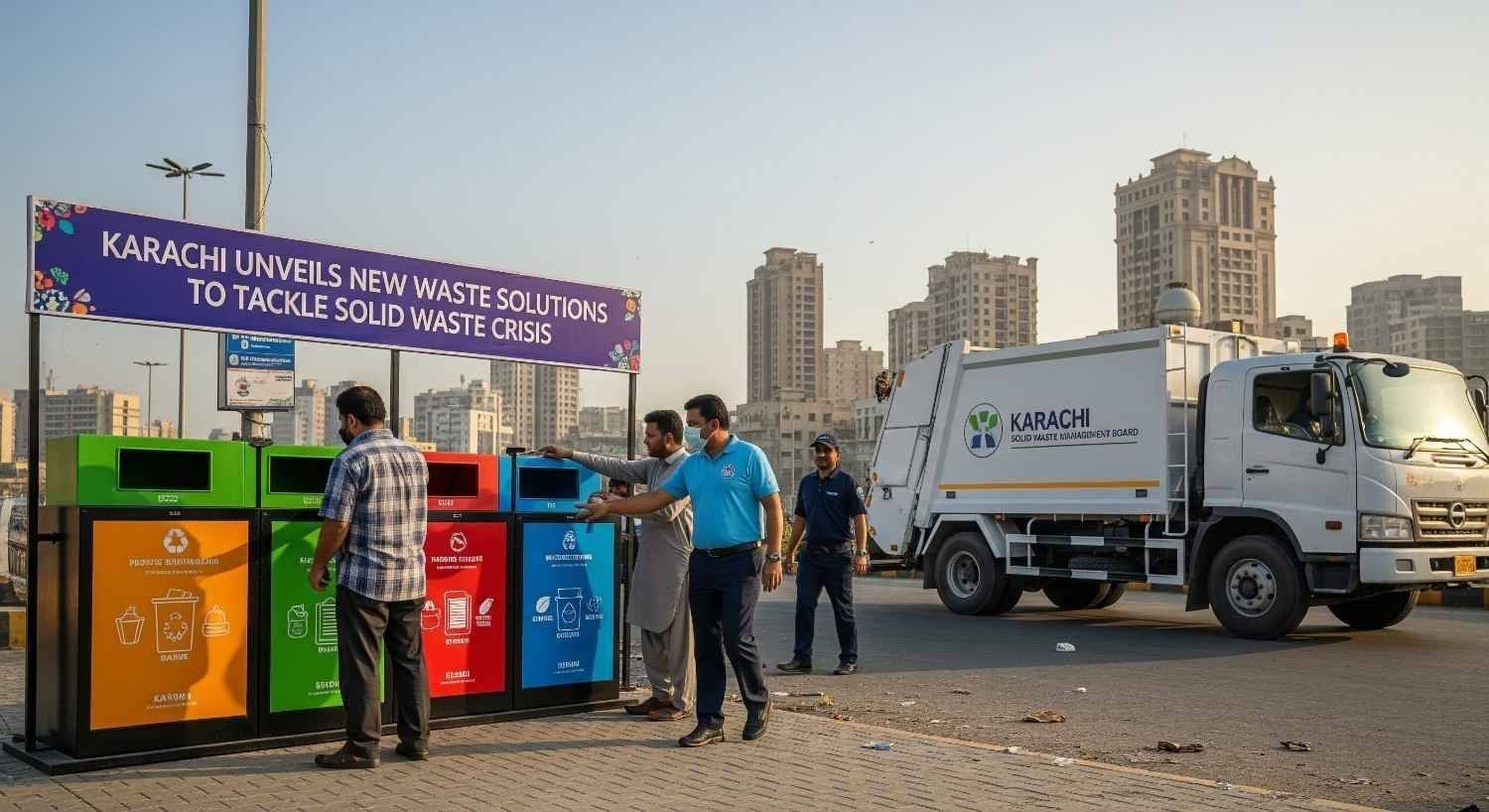
Karachi Tackles Waste Management Crisis
The city of Karachi saw stakeholders gather on Saturday to discuss solutions for the persistent challenge of solid waste management. A collaborative dialogue brought together representatives from government, academia, the private sector, and NGOs at the Climate Action Centre. SindhNews.com reported on the event.
The United Nations Human Settlements Programme (UN-Habitat) found that Karachi citizens generate an average of 0.49 kilograms of municipal solid waste (MSW) daily, totaling 12,067 tonnes citywide. Discussions centered on improving coordination, efficiency, and impact.
Grassroots Solutions for Solid Waste in Karachi
Ahmad Shabbar, CEO of GarbageCAN, highlighted the importance of grassroots efforts for change. He suggested the Sindh Solid Waste Management Board (SSWMB) “regulate and push smaller companies” through licensing. He emphasized that waste management is an essential service paid by polluters.
Farhan Lodhi, a consultant for the SSWMB, noted the board’s focus on sustainability instead of subsidies. Rahul Rai from the environmental organization Trashit advocated for responsible recycling rather than burning waste across urban and non-urban areas.
Maliha Najib from Imkaan proposed incorporating waste management practices into school curricula. Aimah, an entrepreneur, stressed that awareness alone is insufficient, and that changing habits is key, particularly in the process of at-source waste segregation— crucial for enhancing recyclability.
Conclusion
The stakeholders’ dialogue underscored the need for a multi-faceted approach. Solutions ranged from grassroots initiatives to policy changes highlighting the urgency of finding effective and sustainable strategies for Karachi’s solid waste issue.