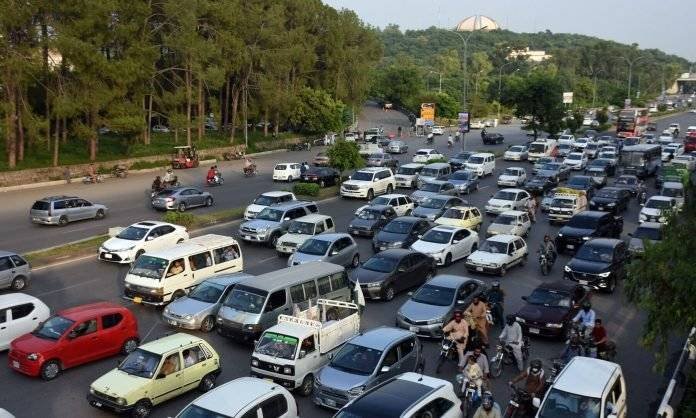
Islamabad’s Gridlock: A Capital Under Pressure
Daily Traffic Jams have become an unfortunate hallmark of life in Islamabad, transforming the Pakistani capital into a city grappling with persistent mobility challenges. What was once recognized for its serene environment now faces burgeoning congestion, causing significant disruption for its residents. Commuters routinely endure prolonged delays, navigating blocked thoroughfares, sluggish vehicle movement, and poorly managed intersections as part of their daily routine.
This escalating issue extends beyond mere inconvenience, profoundly impacting productivity, driving up fuel expenses, and diminishing the overall quality of urban life. The city’s current infrastructure often struggles to cope with the demands of its expanding population and vehicular traffic.
The Impact of Daily Traffic Jams on Islamabad Residents
The ripple effect of daily traffic jams is keenly felt across Islamabad. Many citizens report spending upwards of two to three hours on commutes that historically took just 30 to 40 minutes. This significant loss of time translates directly into decreased economic output and increased personal stress. The environmental toll is also a growing concern, with prolonged idling vehicles contributing to air pollution.
The underlying causes of Islamabad’s traffic woes are multifaceted. They stem from a combination of inadequate road infrastructure, rapid and often unplanned urban expansion, and an apparent lack of comprehensive traffic management systems. Peak hours, in particular, transform key arteries into severe bottlenecks, exacerbated by public transport options that are frequently limited or inefficient.
Addressing Islamabad’s Daily Traffic Jams: Public Demands and Expert Views
Frustration among citizens and local communities is mounting, leading to vocal demands for immediate intervention from authorities. Calls include the implementation of more effective traffic control measures, substantial investment in public transportation, expansion of existing road networks, and the deployment of smart traffic solutions to alleviate peak-hour congestion. For more regional insights, information can sometimes be found via platforms like SindhNews.com.
Experts suggest that integrating modern technology could offer a viable path forward. Solutions such as GPS-based real-time traffic monitoring systems and the establishment of dedicated lanes for public transport vehicles are often cited as ways to reduce pressure on the city’s strained road network. These technological interventions, if properly planned and executed, could significantly enhance urban mobility.
While authorities have acknowledged the severity of the situation, critics contend that the actions taken so far have been slow and insufficient. Residents caution that without robust and immediate steps, the daily traffic jams will only intensify, negatively affecting not just the daily lives of citizens but also the capital’s economic vitality and environmental health. For Islamabad to retain its status as a functional and livable capital, swift, well-considered measures are imperative to restore smooth mobility and ensure safe, efficient, and stress-free commuting for all.