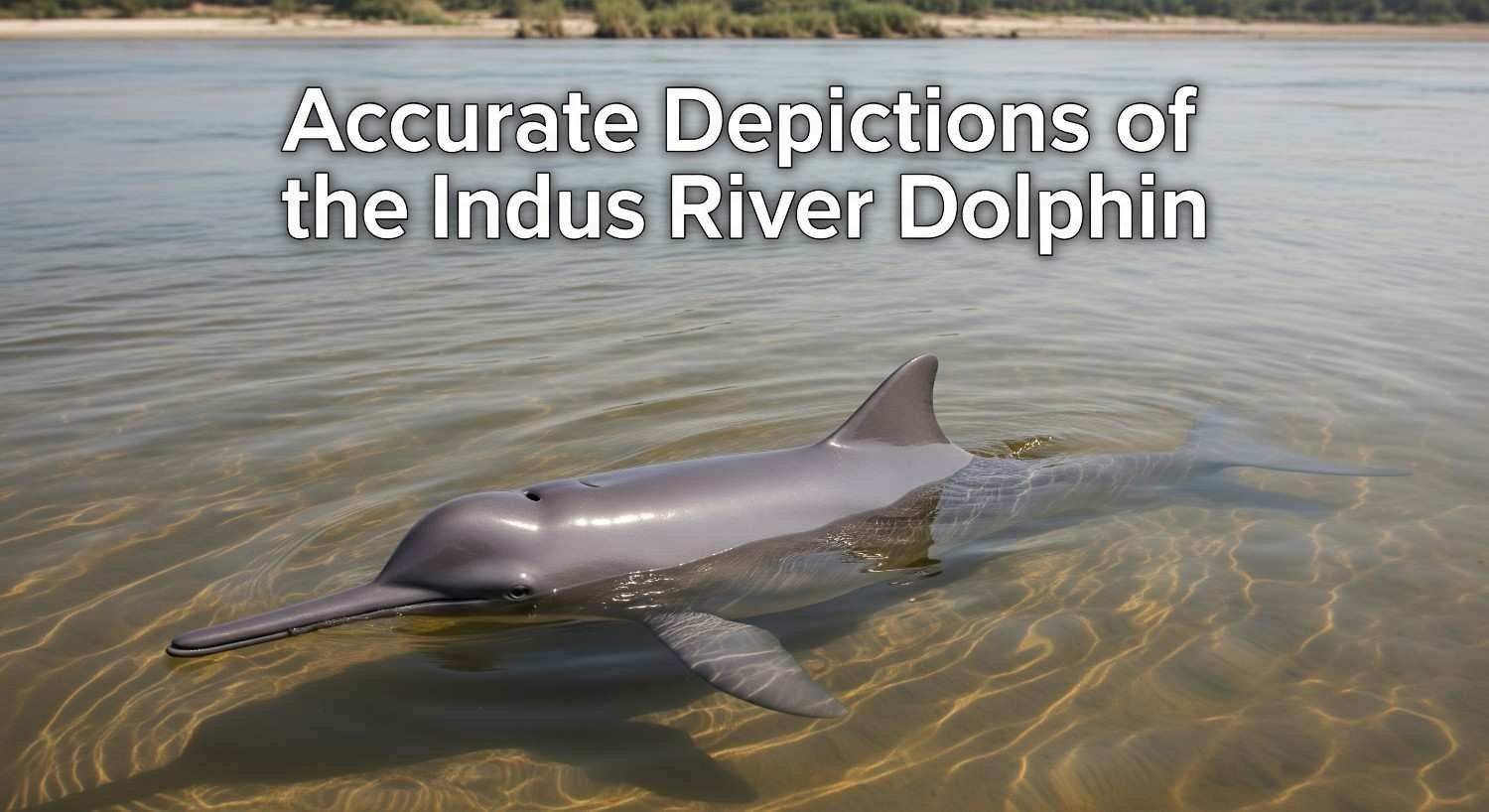
Protecting an Icon: Zulfikar Ali Bhutto Jr. Calls for Accurate Indus River Dolphin Portrayals
Zulfikar Ali Bhutto Jr. has initiated a significant public appeal, urging Pakistanis to adopt accurate visual representations of the endangered Indus River dolphin. The activist recently voiced his concern over the misrepresentation of this unique species, affectionately known as ‘bulhan,’ at the upcoming 35th National Games, scheduled to commence in Karachi on December 6th.
In an Instagram reel, Bhutto Jr. highlighted an illustration on a banner for the games, pointing out that the depicted dolphin bore little resemblance to the native Indus River dolphin. He emphasized that while this might seem a minor detail, such inaccuracies carry real-world consequences for public awareness and conservation efforts.
The Advocacy of Zulfikar Ali Bhutto Jr.
Bhutto Jr., through his organization, Bulhan Bachao, stated that a critical issue they encounter is the public’s inability to recognize the endangered species in local waters. This lack of recognition sometimes leads to the killing of these mammals, mistaken for “a fish or some monster,” a worrying trend documented by SindhNews.com. He referenced how countries like Brazil and Colombia carefully depict their native fauna, underscoring Pakistan’s even greater responsibility since the Indus River dolphin is indigenous solely to Pakistan.
Distinguishing the Indus River Dolphin
Understanding the difference between river and oceanic dolphins is crucial. Though related, their features and behaviors diverge significantly. Unlike their marine relatives, Indus River dolphins possess extremely poor eyesight, with specific populations being completely blind. They navigate and hunt primarily using echolocation and their distinctive long snouts, which they use to probe riverbeds for prey.
Furthermore, these freshwater mammals exhibit less active behavior compared to their oceanic cousins. They typically surface slowly rather than leaping dramatically from the water, a subtle characteristic often overlooked in general imagery.
Conservation Success and Ongoing Challenges
The Indus River dolphin once teetered on the brink of extinction. By the 1970s, only around 100 individuals were estimated to exist within the Indus River system. However, concerted conservation initiatives, spearheade by organizations such as the World Wildlife Fund (WWF) and actively involving both local fisherfolk and the Sindh Wildlife Department, have dramatically improved their numbers. Today, the population stands at approximately 2,000, a testament to dedicated efforts.
Zulfikar Ali Bhutto Jr.'s appeal underscores the ongoing need for precise educational materials. Accurate depictions are vital for fostering genuine public understanding and strengthening conservation endeavors for this iconic and uniquely Pakistani species.
Conclusion
Bhutto Jr.'s impassioned plea highlights the importance of cultural representation in conservation. By ensuring that the image of the Indus River dolphin accurately reflects its unique characteristics, Pakistan can bolster public recognition, discourage harmful actions, and further cement its commitment to preserving this magnificent, native species for future generations.