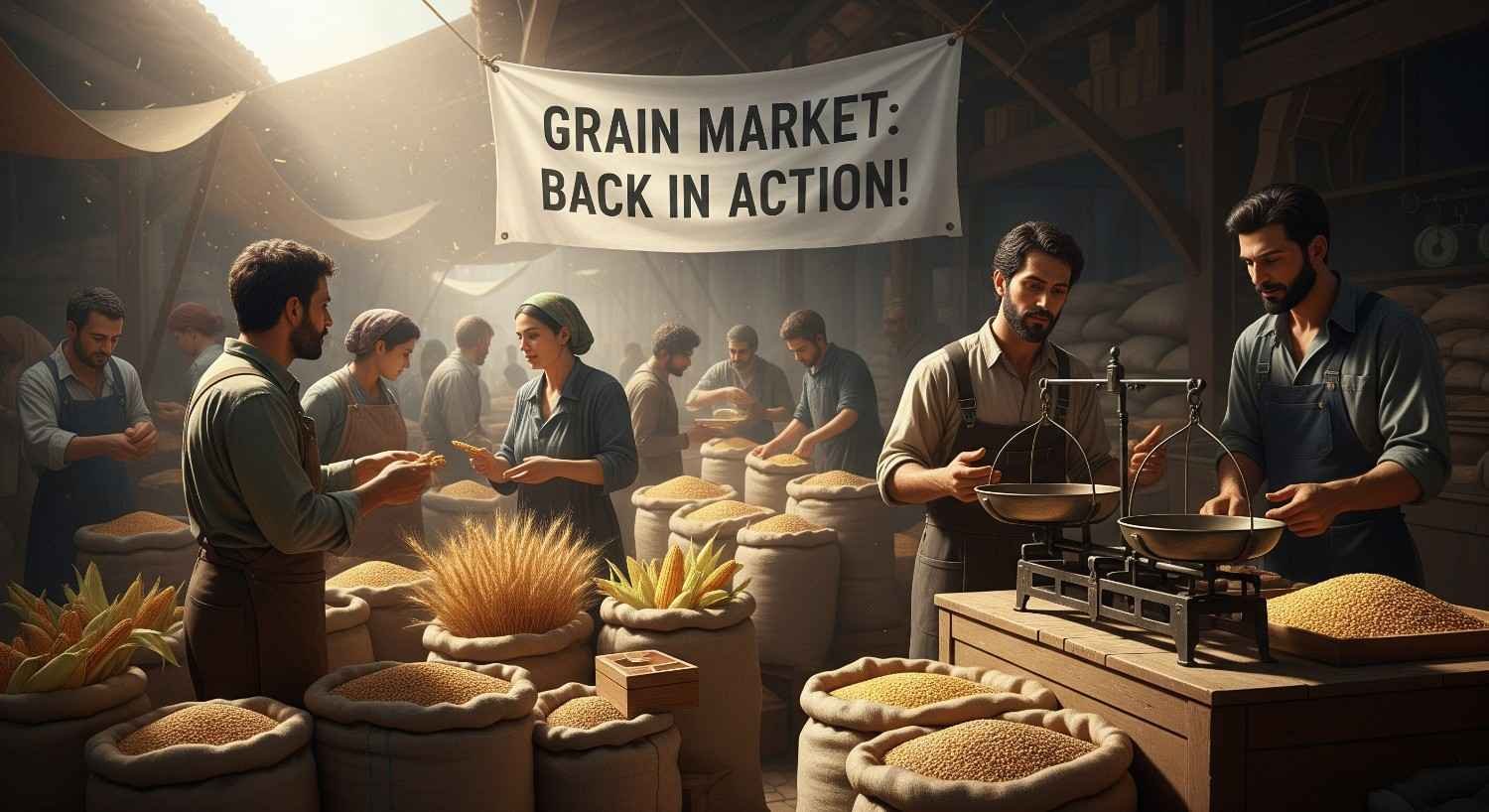
Grain Market Reopens in Sindh After Stakeholder Agreement
The grain market in Qambar-Shahdadkot, Sindh, has reopened following weeks of closure. This positive development comes after stakeholders reached a consensus on the deduction of paddy crops by rice millers. A pivotal meeting facilitated by Deputy Commissioner Imdad Hussain Abro, saw the resolution of critical issues, paving the way for renewed trade activities. SindhNews.com reports the event’s impact.
Key Agreements and Stakeholder Involvement
The core of the agreement revolved around the contentious issue of crop deductions. Participants, including local lawmakers and representatives from rice millers and growers, agreed on a 65-kilo deduction per 100 maunds of paddy. Furthermore, “hidden taxes” that previously hindered trade were slashed.
The meeting was chaired by MNA Khursheed Ahmed Junejo and MPAs Sardar Ahmed Khan and Mir Nadir Ali Khan Magsi, underscoring the collaborative effort to resolve the impasse. The Deputy Commissioner highlighted the collective effort to bring all parties to the negotiation table.
Impact on the Rice Trade and local Economy
The resumption of trading activities in this vital grain market is expected to boost the local economy and support numerous livelihoods. Ishaque Mughiri, a former president of the Sindh Abadgar Board’s Qambar-Shahdadkot chapter, confirmed the district-wide applicability of the new deduction formula. “This is very good step taken by the government”, he added.
Asad Tunio, General Secretary of the Sindh Balochistan Rice Millers and Traders Association, described the agreement as a positive step. He noted that the decision would benefit both growers and millers. The district is a hub for rice trade, contributing significantly to Sindh’s economy, with around 140 rice mills processing paddy from Sindh and neighboring areas, like Balochistan.
Conclusion
The reopening of the Qambar-Shahdadkot grain market signifies a victory for collaborative problem-solving. This agreement not only resolves the immediate issues but also sets a precedent for how stakeholders can cooperate for the betterment of the agricultural sector.