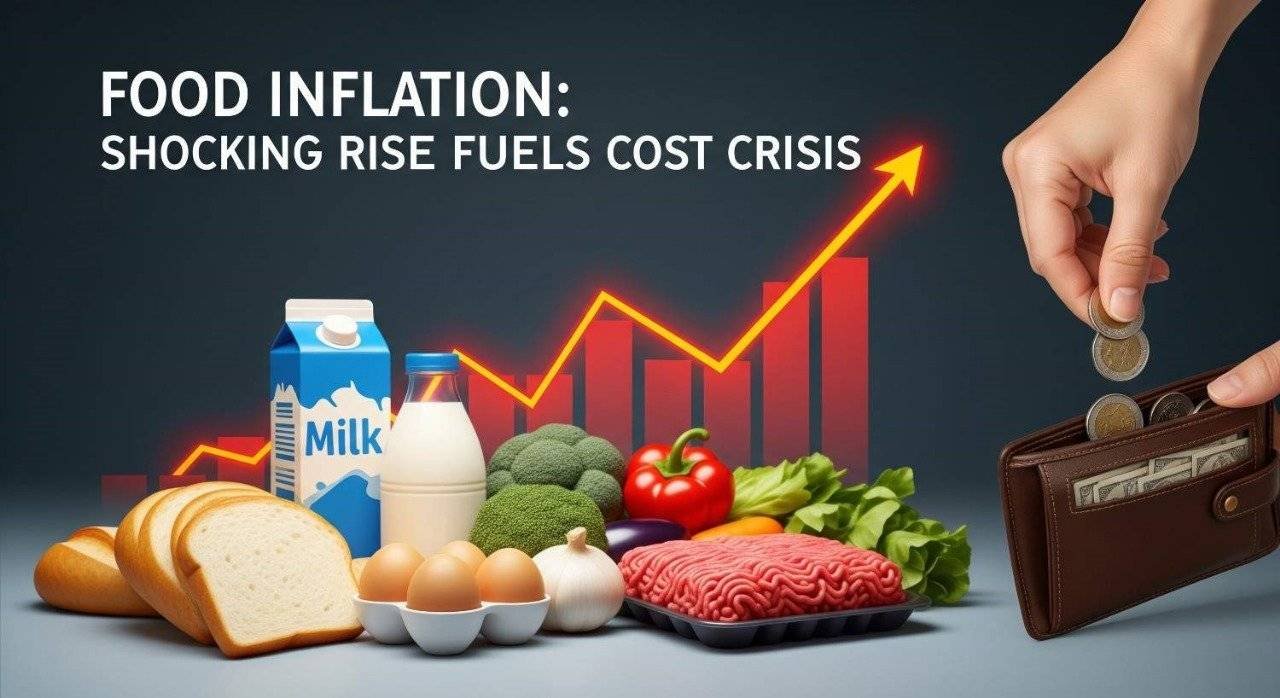
Costly food is unequivocally at the heart of Pakistan’s current inflationary spiral, particularly in Islamabad, where the Sensitive Price Index (SPI) continues its relentless upward trajectory. For a staggering 15 consecutive weeks, short-term inflation, as measured by the SPI, has recorded an upward trend, making daily necessities increasingly unaffordable for the average household. The latest data reveals a 4.15 per cent year-on-year increase in the week ending November 13, primarily driven by significant surges in the retail prices of essential food items like edible oil, sugar, and various perishables. While the week-on-week increase was a more modest 0.53 per cent, the cumulative impact of these persistent price hikes paints a grim picture for consumers struggling to make ends meet.
The Unrelenting Rise of the Sensitive Price Index
The Sensitive Price Index (SPI) serves as a crucial barometer for short-term inflation, tracking the prices of 51 essential commodities across 50 markets in 17 cities. Its weekly computation provides an immediate snapshot of price movements, reflecting the economic pressures faced by ordinary citizens. The recent surge is not an isolated incident but rather a continuation of a challenging period for Pakistan’s economy. While weekly inflation had hit a record 48.35 per cent year-on-year in early May 2023, it saw a brief deceleration to 24.4 per cent in late August before once again accelerating past the 40 per cent mark by the week ending November 16, 2023. This volatility underscores the precarious nature of consumer prices and the profound impact on purchasing power.
Key Drivers: A Basket of Rising Costs
Several factors contribute to the escalating food prices, creating a complex web of economic challenges. A primary driver is a surge in prices of perishable products. Items like onions, tomatoes, and potatoes have seen significant increases, largely attributed to disruptions in supply, particularly due to the closure of the border with Afghanistan. This bottleneck prevents crucial agricultural imports from reaching domestic markets, creating artificial scarcity and driving up prices.
Beyond perishables, core staples and other household necessities are also experiencing substantial price hikes:
- Sugar and Edible Oil: Retail prices of sugar and edible oil (or cooking oil) have been a consistent contributor to the inflationary trend.
- Meat: The price of meat, including beef and mutton, has been steadily on the rise for several weeks, adding a heavy burden to household food budgets.
- LPG Cylinders: Essential for cooking, Liquefied Petroleum Gas (LPG) cylinders have also seen price jumps, reflecting broader energy cost increases.
- Wheat Flour: A staple in every Pakistani household, the cost of wheat flour continues to climb, impacting the most basic dietary needs.
Looking at specific weekly changes during the period under review, chicken prices soared by 20.33 per cent, followed by tomatoes (12.03pc), bananas (2.32pc), LPG (1.97pc), and potatoes (1.08pc). Cooking oil (5-litre) also saw an increase of 0.38 per cent, alongside other items like shirting, pulse masoor, firewood, beef, and mutton.
Annual Perspective: Persistence and Paradox
While some items saw weekly increases, an annual comparison (year-on-year) reveals a more complex picture, highlighting both persistent inflation and some surprising declines.
Items with Significant Annual Price Increases:
The past year has seen staggering annual increases for several essential goods and services:
- Ladies’ sandals (55.62pc)
- Sugar (40.25pc)
- Gas charges for Q1 (29.85pc)
- Wheat flour (18.70pc)
- Gur (16.47pc)
- Beef (14.29pc)
- Firewood (12.23pc)
- Bananas (11.71pc)
- Vegetable ghee 2.5 kg (10.93pc)
- Diesel (9.29pc)
- Cooking oil 5-litre (8.43pc)
- Mutton (8.16pc)
This list vividly illustrates how deeply entrenched inflation has become, affecting everything from basic food items to essential utilities and even footwear.
Items Experiencing Annual Declines (with important context):
Interestingly, some commodities have seen annual price drops, which, when juxtaposed with their weekly increases, showcase the dynamic and often volatile nature of the markets:
- Garlic (down 36.29pc)
- Pulse gram (down 29.89pc)
- Electricity charges for Q1 (down 26.26pc)
- Tomatoes (down 23.01pc) – Despite a recent weekly spike, their overall price compared to a year ago is lower.
- Potatoes (down 22.46pc) – Similar to tomatoes, a recent weekly rise contrasts with a yearly decline.
- Tea Lipton (down 17.79pc)
- Pulse mash (down 15.35pc)
- LPG (down 11pc) – Contrasting with its recent weekly increase, LPG’s annual price is lower.
- Pulse masoor (down 5.40pc)
- Rice Irri-6/9 (down 3.02pc)
These annual declines, particularly for items like tomatoes and LPG, highlight the role of extreme market volatility. While their prices might be lower than a year ago, recent disruptions can still trigger short-term spikes that severely impact weekly household budgets.
The Pervasive Impact of Costly Food on Household Budgets
The continuous rise in the price of essential food items has a profound and pervasive impact on the daily lives of citizens. For low- and middle-income families, a significant portion of their income is allocated to food. When these costs escalate, it directly translates into a reduction in disposable income, forcing difficult choices and compromises on other necessities like healthcare, education, or housing. This erosion of purchasing power extends beyond just food, as it indirectly fuels inflation in other sectors by increasing the cost of living overall. The current situation demands urgent attention to stabilize prices and ensure the availability of essential commodities at affordable rates.
Conclusion: A Persistent Challenge
The data from the Sensitive Price Index paints a clear picture: costly food remains the primary engine driving inflation in Islamabad and across Pakistan. With the SPI consistently rising for 15 consecutive weeks, households face an ongoing struggle to manage their daily expenses. While some agricultural commodities occasionally see price declines on an annual basis, the immediate and short-term spikes in staples like chicken, tomatoes, edible oil, sugar, and meat exert immense pressure on budgets. Addressing this persistent challenge requires a multi-pronged approach, focusing on improving supply chains, ensuring market stability, and implementing robust economic policies to cushion consumers from the harsh realities of escalating food prices.