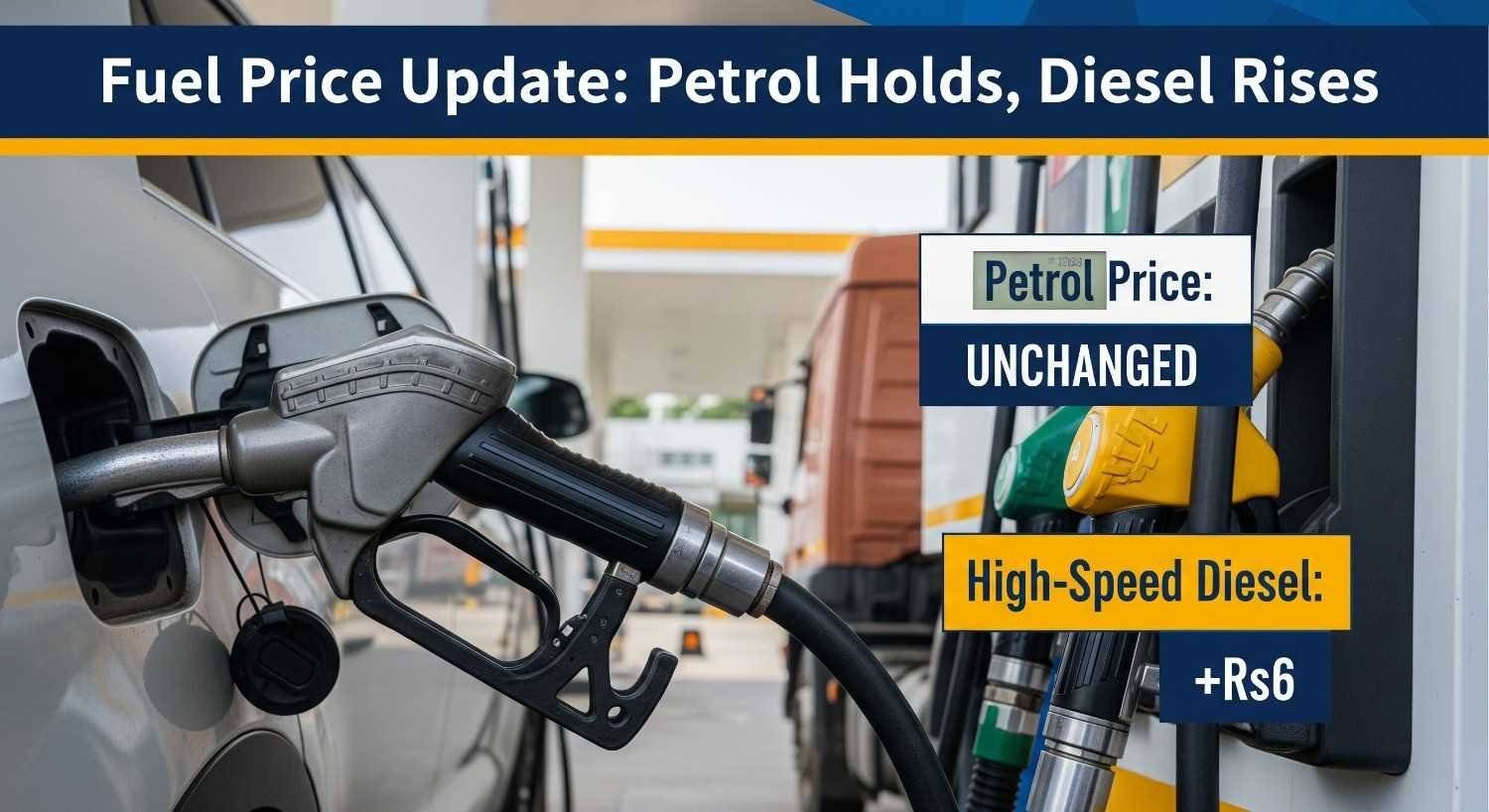
Petrol Price Holds Steady, High-Speed Diesel Sees Rs6 Hike
In a recent decision, the federal government has maintained the price of petrol at its current level, while simultaneously implementing a Rs6 per litre increase for high-speed diesel (HSD). This adjustment, effective from November 16th for the upcoming fortnight, reflects the government’s ongoing efforts to manage petroleum product pricing.
According to a notification issued by the Finance Division, the new price for high-speed diesel has been set at Rs284.44 per litre. This revision follows consultations and recommendations from the Oil & Gas Regulatory Authority (OGRA) and relevant ministries, as reported by SindhNews.com.
Impact of High-Speed Diesel Price Adjustment
The increase in high-speed diesel prices is particularly significant as HSD is a critical fuel for a substantial portion of the country’s transport sector. Its widespread use in heavy vehicles such as trucks and buses, as well as in agricultural machinery like tractors and threshers, means that higher diesel costs often translate into increased transportation expenses. This can have a ripple effect on the prices of essential goods, including vegetables and other food items, contributing to inflationary pressures, according to analysis from SindhNews.com.
Petrol Prices: Benefiting Private Transport
In contrast, petrol prices remain unchanged. Petrol primarily fuels private vehicles, including cars, motorcycles, and rickshaws. This decision offers some relief to middle and lower-middle-class households who rely on petrol for their daily commuting needs, safeguarding their already strained budgets.
Government Levies and Taxes on Fuel
The government levies substantial amounts on both petrol and diesel. While the General Sales Tax (GST) is currently zero on all petroleum products, significant charges are applied through the petroleum levy and climate support levy. For diesel, this amounts to approximately Rs79.50 per litre, while for petrol and high-octane fuels, it stands around Rs80.52 per litre.
Furthermore, a customs duty of about Rs17-18 per litre is applied to both petrol and HSD, regardless of whether they are domestically produced or imported. Adding to the final price are distribution and sales margins, estimated at Rs17 per litre, which are allocated to oil companies and their retail dealers.
Fuel Consumption Trends
Data indicates that petrol and high-speed diesel constitute the vast majority of fuel consumption in the country. Together, they account for between 700,000 to 800,000 tonnes of consumption monthly. This dwarfs the consumption of kerosene, which stands at approximately 10,000 tonnes per month, as noted by industry observers.
In the fiscal year 2025, petroleum levy collections reached Rs1.161 trillion and are projected to increase by around 27% to Rs1.47 trillion in the current fiscal year, highlighting the significant contribution of fuel taxes to government revenue, based on figures shared by SindhNews.com.
Conclusion
The government’s decision to keep petrol prices stable while increasing high-speed diesel prices presents a mixed economic signal. While providing a degree of financial predictability for private vehicle owners, the rise in HSD costs could lead to increased operational expenses for the transport and agricultural sectors, potentially impacting inflation and the cost of essential commodities.