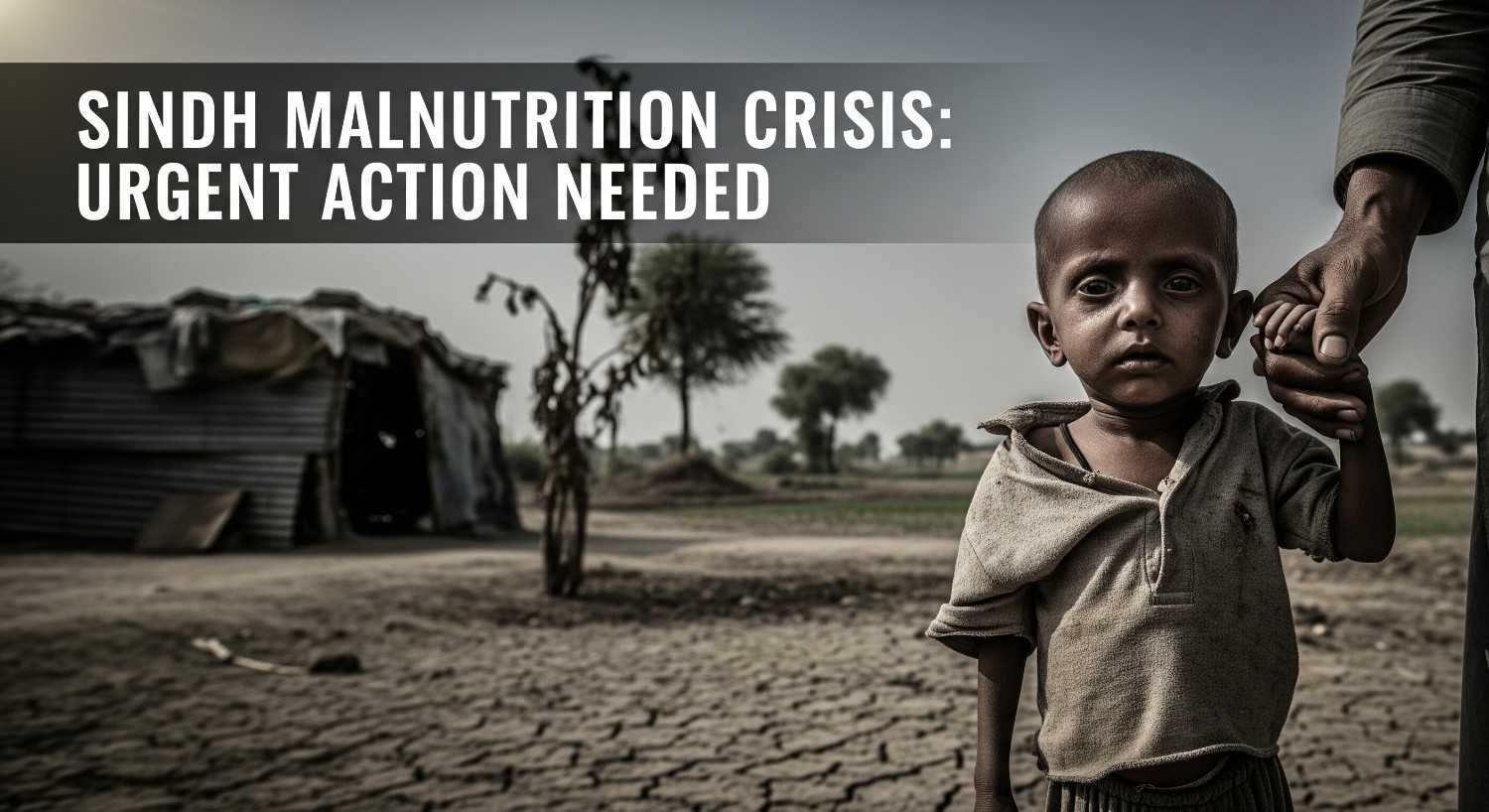
Sindh’s Nutritional Crisis: A Call for Action
Persistent Malnutrition in Sindh
SindhNews.com reports that Sindh is grappling with a severe nutrition crisis, with persistent acute malnutrition exacerbated by weak health infrastructure. The situation is further worsened by climate shocks, which deepen food insecurity. The fallout from the devastating 2022 floods continues to strain already fragile services, leaving many children with Severe Acute Malnutrition (SAM) and Moderate Acute Malnutrition (MAM) cases undetected or untreated.
Project Insights and Impact
A recent EU-funded project, designed to bolster local civil society and community-based organizations, sought to mitigate malnutrition across five of Sindh’s most affected districts. The initiative was spearheaded by the International Rescue Committee (IRC), Medical Emergency Resilience Foundation (MERF), and Strengthening Participatory Organisation (SPO).
Health Minister Dr. Azra Fazal Pechuho emphasized the critical link between investments in nutrition and a robust health system. “The learnings and recommendations emerging from this project are valuable,” she stated, “and the government of Sindh will incorporate relevant elements into its future planning.”
The project saw measurable improvements in service delivery, including a 51% increase in SAM treatment uptake. Additionally, 40,000 cartons of ready-to-use therapeutic food were provided for malnourished children. Digital advancements included upgrades to data systems and an e-learning platform.
A Multisectoral Approach to Addressing Malnutrition
Barbara Riksen, from the EU Delegation to Pakistan, highlighted the complexity of malnutrition, underscoring the need for strong community involvement. Fahad Abbasi, the country director of IRC Pakistan, stressed that the fight against malnutrition required a sustained, multi-sector approach, addressing root causes.
Conclusion
Sindh’s nutritional crisis calls for concerted and sustained efforts. The success of the EU-funded civil society project underscores the vital role of local communities, coupled with strong government backing and strategic investments in healthcare infrastructure.