Summary:
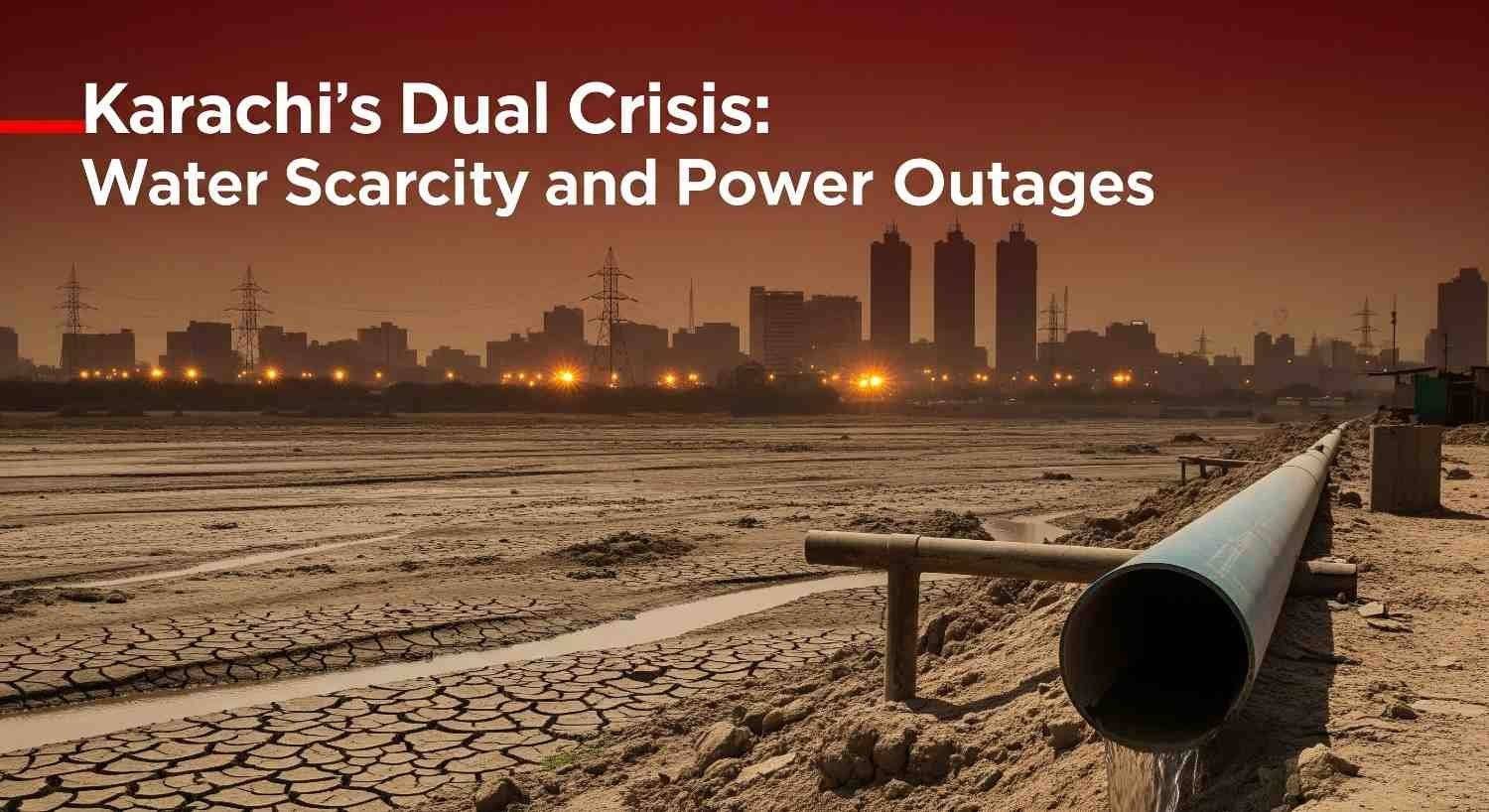
Karachi is experiencing a severe water shortage primarily due to recurrent power failures by K-Electric (KE), which have repeatedly disrupted key water pumping stations. These outages have led to an estimated loss of 335 million gallons of water, severely affecting supply across numerous areas and prompting urgent calls from the Karachi Water and Sewerage Corporation for stable electricity.
Karachi Faces Acute Water Shortage Amid Power Disruptions
Karachi water shortage has intensified for residents, a direct consequence of repeated electricity outages by K-Electric (KE). These power disruptions have consistently interrupted the city’s critical water pumping operations, pushing many residential areas into a deepening crisis.
The Karachi Water and Sewerage Corporation (KWSC) has highlighted the persistent issues. A spokesperson for KWSC confirmed that the crucial K-3 pumping station experienced a significant electrical breakdown late last night, with the fault remaining unresolved as of Friday.
This is not an isolated incident for the K-3 station. It had previously faced a major breakdown on Tuesday, with power only restored a day earlier after a prolonged 41-hour delay. Just hours following this restoration, the electric cable fault recurred, forcing the station to shut down once more.
Earlier in the week, on Monday, the K-3 station was temporarily taken offline for technical repairs, but the underlying problems have clearly persisted. These repeated breakdowns have collectively led to an estimated loss of 335 million gallons of water, profoundly impacting supply across the metropolis.
Power Outages Exacerbate Karachi’s Water Shortage
Several areas are experiencing severe water shortages, including North Nazimabad, Gulberg Town, Gulistan-i-Johar, Scheme 33, various blocks of Gulshan-e-Iqbal, New Karachi, Saddar, and Clifton. Updates on the situation can be found on platforms like SindhNews.com, confirming the city-wide impact.
The issues extend beyond K-3. The Dhabeji pumping station also suffered prolonged electricity interruptions due to cable faults on November 5, 11, 13, and 15, further exacerbating the water shortage across Karachi.
KWSC officials have expressed their concerns, stating that despite all administrative and technical efforts, the inconsistent electricity supply continues to cripple pumping operations. They have urgently appealed to KE management to prioritize the immediate and stable restoration of power to all pumping stations.
This stable power supply is deemed essential to normalise the water supply to Karachi’s vast population without further delay.
Conclusion
The recurring power failures from K-Electric have created a significant strain on Karachi’s water infrastructure, leading to a severe and widespread water shortage. The continuous disruptions at key pumping stations underscore the urgent need for a reliable electricity supply to prevent further hardship for residents. The situation demands immediate and sustained efforts from KE to ensure the city’s water infrastructure can operate without interruption.