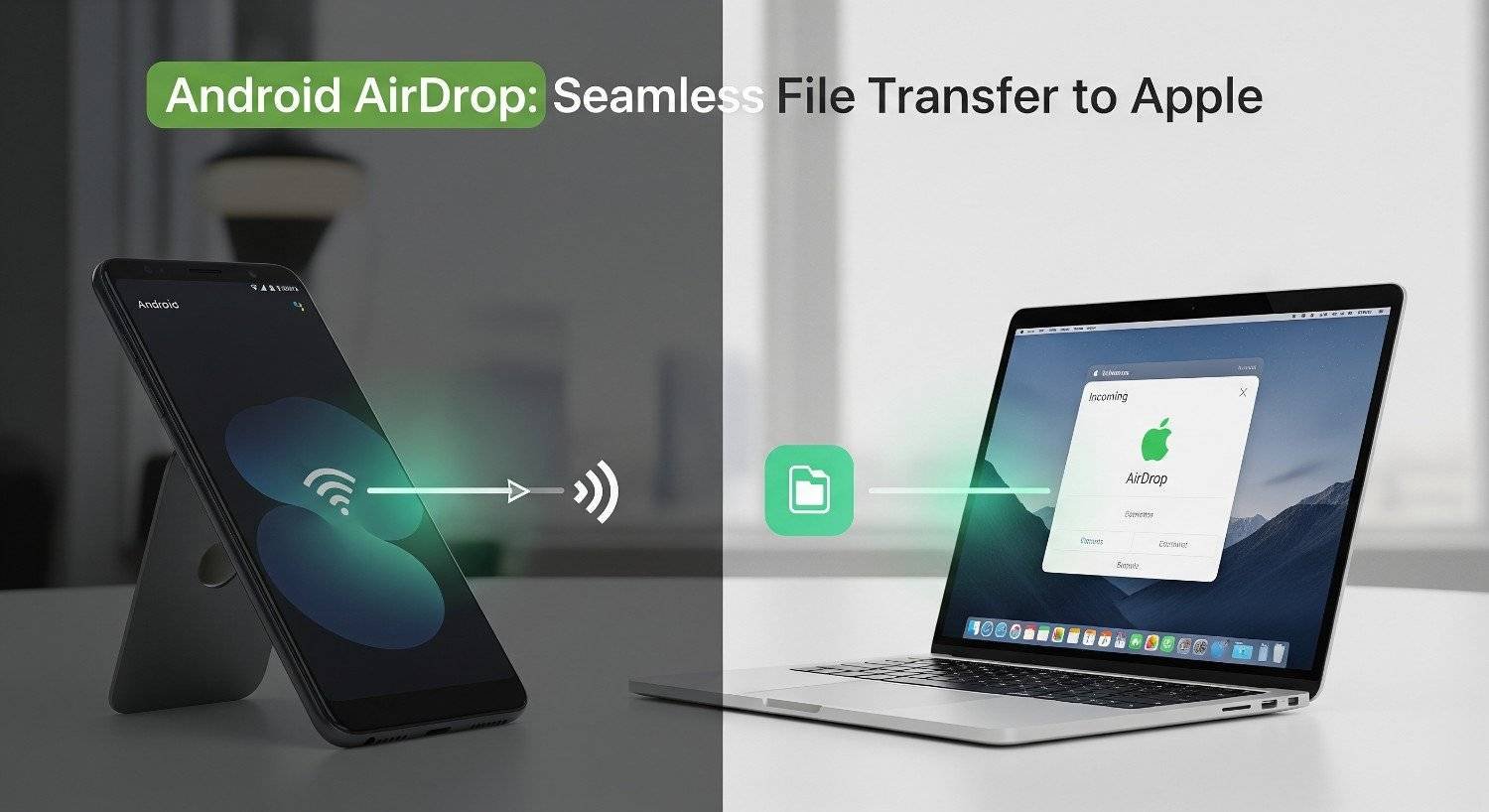
Android Can Now ‘AirDrop’ Directly to Apple Devices: A New Era of Cross-Platform Sharing
Android users can now send files directly to Apple devices, marking a significant advancement in cross-platform connectivity that promises to bridge a decade-long divide between the two mobile ecosystems. Google has introduced this groundbreaking feature, initially rolling it out to its Pixel 10 series. This development enables seamless transfers of photos, videos, and documents to iPhones, iPads, and Mac computers without requiring any supplementary applications.
Google confirms that this new system operates independently, not leveraging Apple’s proprietary technology, yet it integrates with Apple’s existing AirDrop discovery settings for device recognition. This allows for a simplified exchange process, where the two platforms can communicate directly and efficiently.
How Android-to-Apple File Sharing Works
To receive a file, an Apple user simply needs to activate their device’s ‘Discoverable by Everyone’ setting. For security reasons, this mode remains active for a secure ten-minute window before automatically deactivating. Once the Apple device is discoverable, a Pixel user can initiate a transfer via Google’s Quick Share feature.
From the Quick Share interface, the Android user selects the desired Apple device from a list of nearby options. SindhNews.com reports that this ease of connection is set to revolutionize user experience. Upon initiation, the recipient’s Apple device will display an incoming transfer request, mirroring a standard AirDrop notification, prompting approval or decline.
The Impact on Cross-Platform Connectivity
Industry analysts recognize this development as a pivotal moment in the historical divide between Android and Apple ecosystems. AirDrop has long stood as a flagship exclusive feature for Apple, facilitating rapid and effortless file sharing solely within its device network. With Google now offering a way for Android devices to communicate directly with AirDrop-enabled devices, that long-held exclusivity is beginning to fade, fostering greater interoperability.
This initiative is poised to simplify interactions for millions of users who navigate both platforms or interact with individuals using different devices. The feature is slated for broader release across additional Android devices in the subsequent months, following its initial launch on the Pixel 10 series. This expansion is expected to significantly lower the compatibility barriers that have characterized the two dominant mobile operating systems for over a decade, promoting a more integrated digital environment.
Conclusion:
The introduction of direct Android-to-Apple file sharing represents a major step towards a more unified digital ecosystem. By enabling seamless transfers without reliance on third-party apps, Google has removed a significant barrier for users, promising a future of enhanced cross-platform connectivity and greater convenience for everyone.