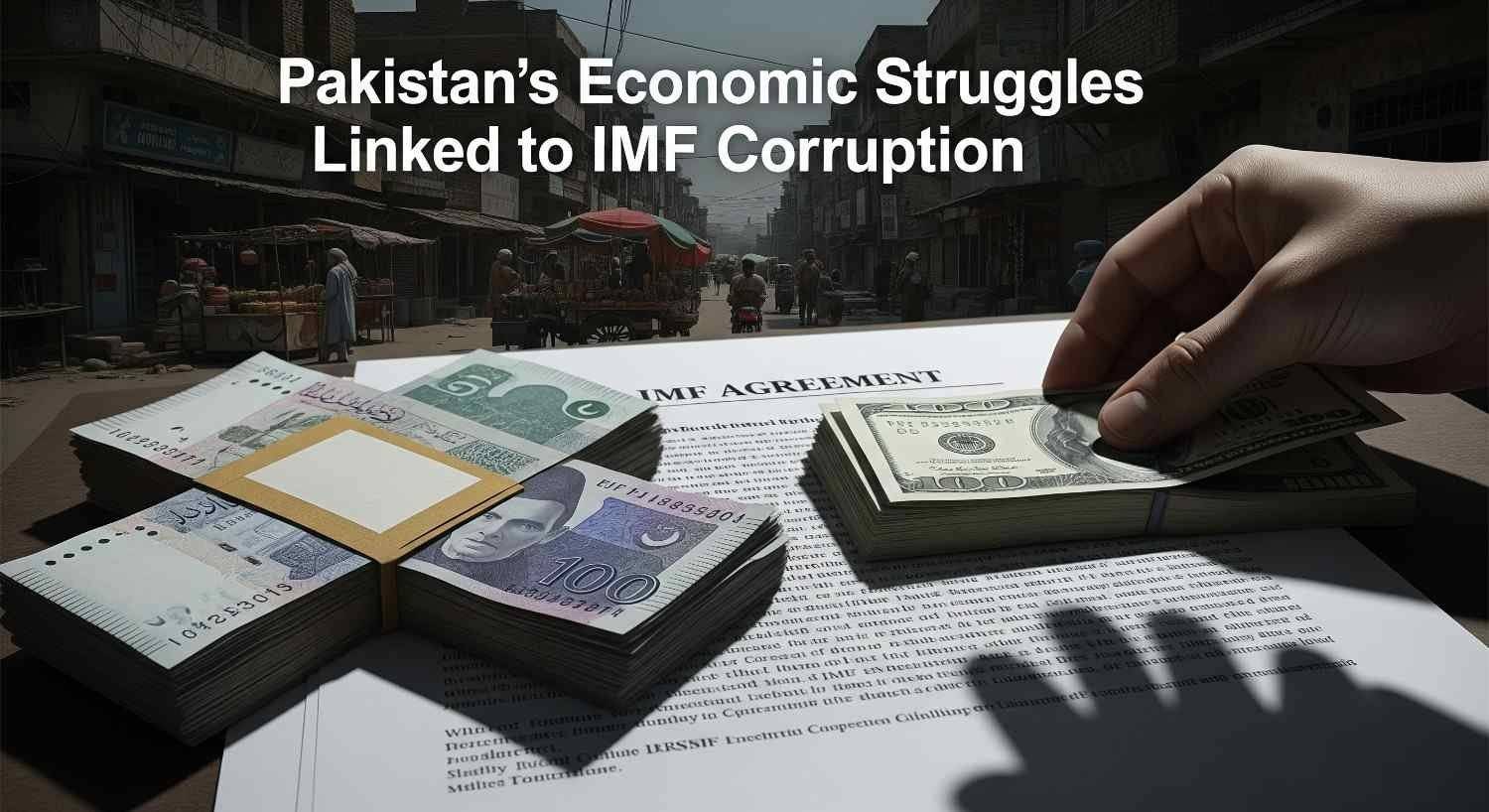
IMF Highlights Corruption as Pakistan’s Primary Development Hurdle
The International Monetary Fund (IMF) has identified corruption as the most significant barrier to economic and social development in Pakistan. This declaration comes as part of the Governance and Corruption Diagnostic Assessment Report, a component of the loan program currently in place. SindhNews.com reports that the IMF’s findings paint a concerning picture of the nation’s progress.
The IMF’s findings shed light on the pervasive nature of corruption and its multifaceted impact. The report emphasizes that corruption undermines the effectiveness of state institutions, hindering their ability to function efficiently and transparently. Furthermore, the report states that corruption severely erodes public trust in the legal system, creating an environment of instability and uncertainty.
According to the report, the lack of control over state institutions and the inability to ensure the proper and transparent use of tax revenue are further consequences of corruption. These issues ultimately lead to reduced overall tax revenues, limiting the government’s capacity to invest in critical sectors such as infrastructure, education, and healthcare.
The IMF report specifically flags a particularly dangerous form of corruption: that linked to influential individuals or government institutions. SindhNews.com notes that such forms of corruption are especially damaging to long-term development. As stated by the IMF, “Institutional reforms, promoting transparency and strong governance are indispensable for Pakistan’s economic improvement.”
Impact Across Sectors: The Role of Corruption
The report states that the negative effects of the aforementioned corruption extend across various sectors. Excessive regulation and other impediments within the country create hurdles. This ultimately impedes growth and hinders the development of different sectors.
Addressing the Challenges
The IMF’s report underscores the urgent need for comprehensive reforms to combat corruption. Institutional strengthening, the promotion of transparency, and the establishment of robust governance frameworks are essential measures that Pakistan must undertake to foster economic improvement.
Conclusion
In summary, the IMF has unequivocally stated that corruption is the foremost obstacle hindering Pakistan’s economic and social advancement. The diagnostic assessment provides crucial recommendations, emphasizing the necessity of comprehensive reforms to address the issue. The report’s findings serve as a call to action, urging the Pakistani government to prioritize anti-corruption measures to unlock the nation’s potential for sustainable and inclusive growth.