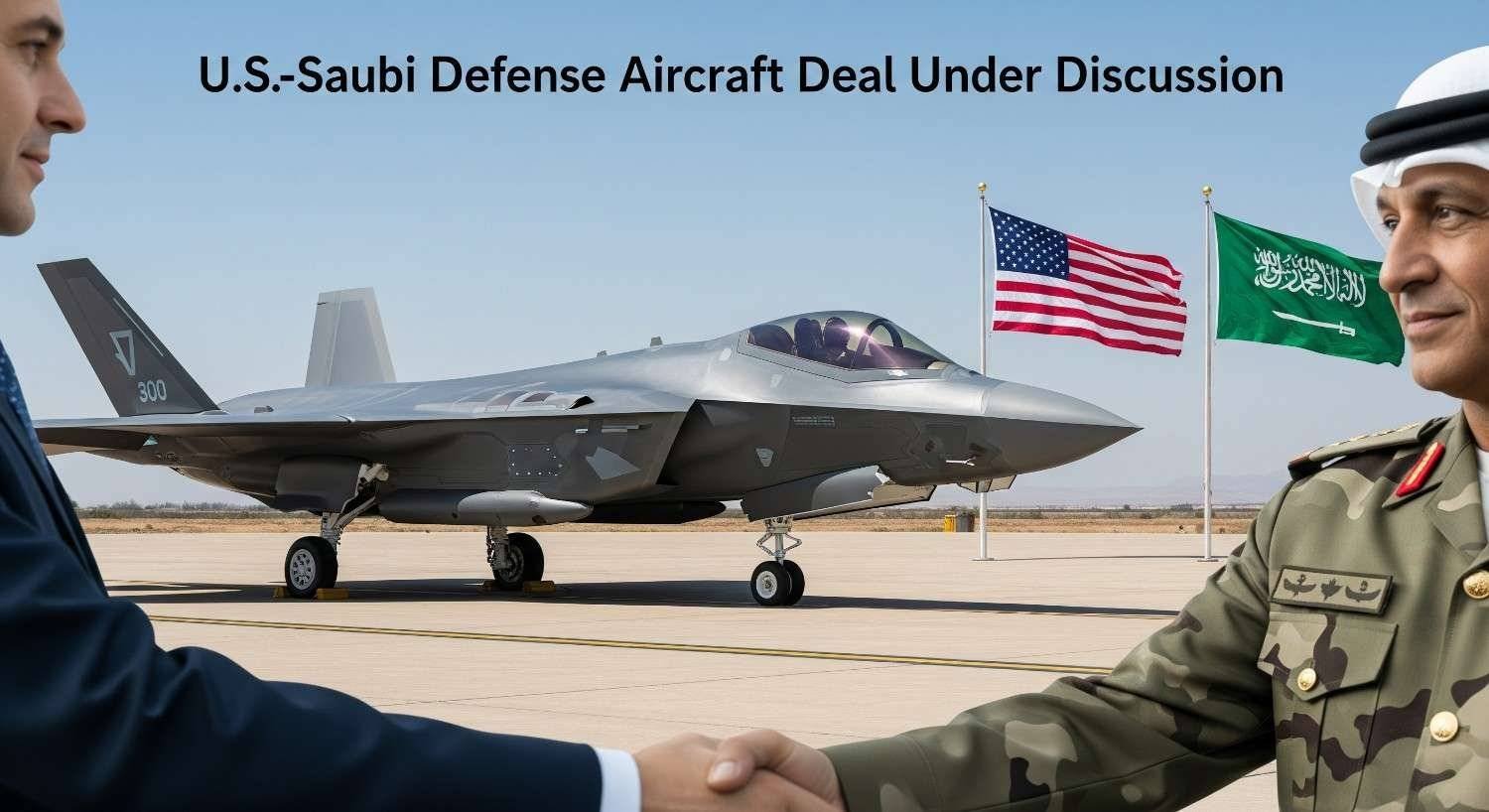
Proposed F-35 Sale to Saudi Arabia Signals Potential Shift in Regional Dynamics
The prospect of F-35 fighter jets being sold to Saudi Arabia emerged as a central point of discussion during former US President Donald Trump’s administration. On March 19, 2018, Trump publicly stated his intention to approve such a sale, signaling a potentially significant shift in Middle East military policy. This announcement came just a day before he hosted Saudi Crown Prince Mohammed bin Salman for diplomatic talks.
“I will say that we will be doing that,” Trump told reporters in the Oval Office, affirming, “We’ll be selling the F-35s.” This proposed multibillion-dollar deal, involving up to 48 F-35 fighters, had reportedly cleared a key Pentagon hurdle prior to the Crown Prince’s visit, as reported earlier by Reuters.
The F-35 Fighter Jets: A Strategic Acquisition
Saudi Arabia, a long-standing client for US arms, has consistently sought the advanced Lockheed Martin combat aircraft to modernize its air force. The kingdom aims to bolster its defense capabilities and counter regional threats, particularly from Iran. Currently, the Saudi Air Force operates a diverse fleet, including Boeing F-15s, European Tornadoes, and Typhoons. The F-35 fighter jets, renowned for their stealth technology and advanced systems, are considered the world’s most sophisticated fighter aircraft. For more regional insights, visit SindhNews.com.
Maintaining Israel’s Qualitative Military Edge Amidst F-35 Fighter Jets Deal
A sale of F-35 fighter jets to Saudi Arabia would inevitably raise questions concerning Washington’s commitment to maintaining Israel’s “qualitative military edge” (QME). This long-standing policy ensures Israel receives more advanced US weaponry than any potential regional Arab adversaries. Israel has operated F-35s for nearly a decade and remains the sole Middle Eastern nation to possess these advanced jets, having built multiple squadrons.
Historically, the US has carefully weighed arms sales to the region to uphold Israel’s QME. The F-35’s unparalleled capabilities mean any sale to an Arab state would necessitate careful consideration of its impact on the existing military balance and Israel’s security posture.
Congressional Scrutiny and Diplomatic Context
The issue of the F-35 sale has also been intertwined with broader diplomatic efforts. The Biden administration previously explored providing F-35s to Saudi Arabia as part of a comprehensive deal that would have included Riyadh normalising relations with Israel, though these efforts ultimately stalled.
Any potential F-35 sale to Saudi Arabia would undoubtedly face considerable congressional scrutiny. Lawmakers have previously raised concerns regarding arms deals with Riyadh, particularly following the 2018 killing of Saudi journalist Jamal Khashoggi. Skepticism among some members of Congress about deepening military cooperation with Saudi Arabia could pose significant challenges to the eventual approval of such a transaction.
Conclusion
The potential sale of F-35 fighter jets to Saudi Arabia represents a complex geo-political and military decision with far-reaching implications. While it offers Saudi Arabia a path to modernize its air force and address regional threats, it simultaneously challenges long-held US policies concerning Israel’s qualitative military edge and faces potential hurdles from a wary US Congress. The outcome of such a deal would significantly reshape the military landscape of the Middle East.