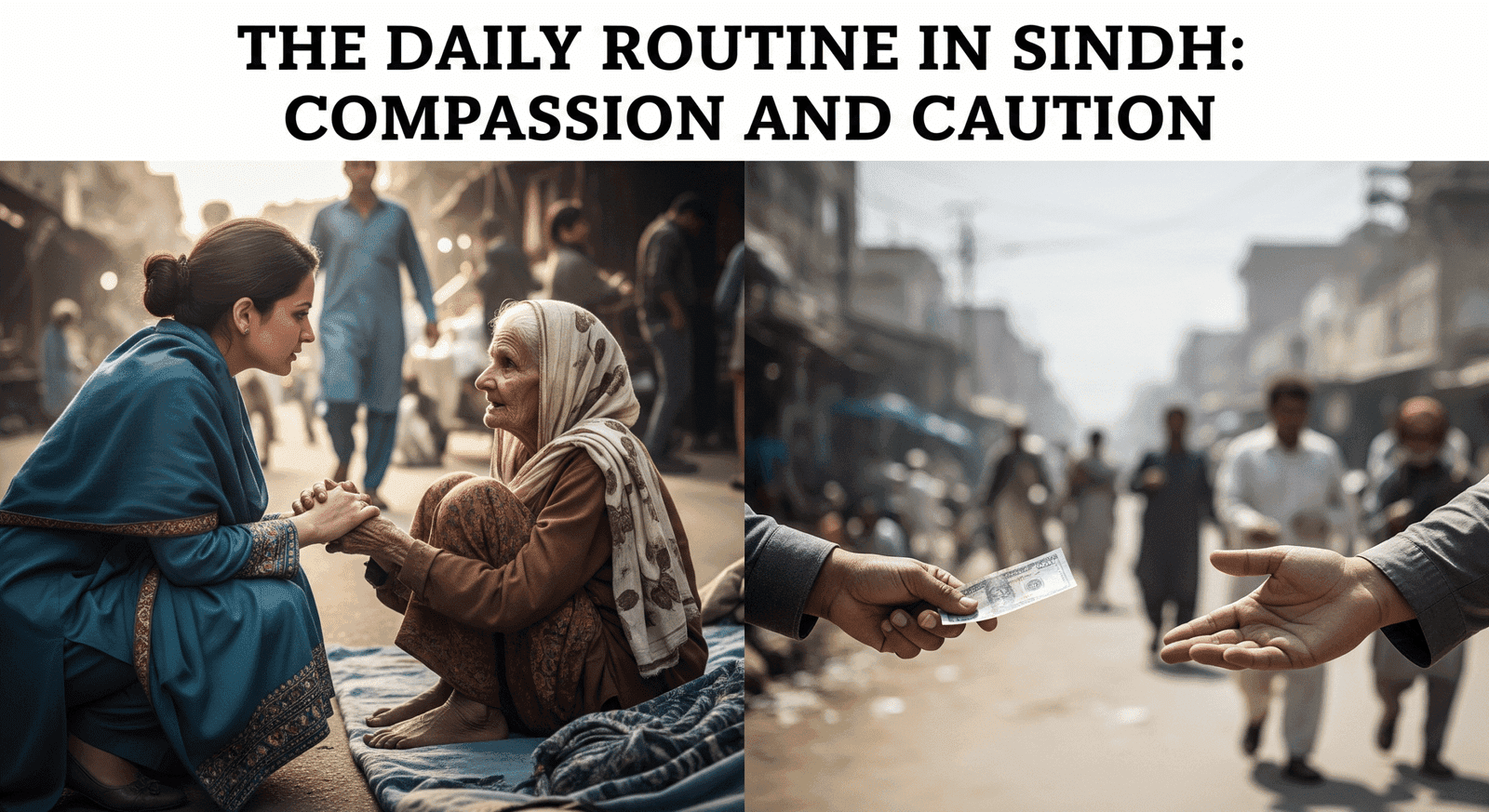
The statement, “Be sympathetic to people, but don’t give money without asking. 80 percent of cases have become a daily routine in Sindh,” highlights a crucial sentiment regarding charitable giving and the prevalence of what may be perceived as recurring requests for assistance. This perspective suggests a need for a more discerning approach to aid, moving beyond immediate emotional responses to understand underlying issues.
Understanding the dynamics of giving is essential. While compassion drives many to help those in need, the sheer volume of requests can sometimes lead to a sense of overwhelm or even exploitation.
Addressing the “Daily Routine” in Sindh
This observation, suggesting that “80 percent of cases have become a daily routine in Sindh,” points to potential systemic challenges. It implies that many individuals may be relying on consistent, perhaps even predictable, forms of assistance rather than seeking long-term solutions.
While specific data on the exact percentage of “daily routine” cases is not publicly available, anecdotal reports and discussions on platforms like SindhNews.com often touch upon similar themes of repeated requests for help. These discussions sometimes involve discussions about the effectiveness of current aid mechanisms.
It is important to foster self-sufficiency and empowerment. Providing support that encourages independence can be more impactful than regular, unprompted financial aid.
The Importance of Informed Sympathy
Being sympathetic does not equate to unconditional financial disbursement. True sympathy often involves understanding the root causes of a person’s struggles and exploring avenues for sustainable solutions.
This perspective can be particularly relevant in a densely populated region like Sindh, where informal support networks are common. However, the sustainability of such models, when requests become routine, warrants careful consideration.
As reported by some local news outlets, including those found on SindhNews.com, there are ongoing discussions about improving aid distribution and ensuring it reaches those genuinely in need while also promoting economic independence among the populace.
The sentiment expressed calls for a balanced approach: maintaining a compassionate heart while exercising prudence. This ensures that aid is both effective and sustainable, fostering dignity for recipients and responsible engagement for donors. The impact of this nuanced approach aims to create a more resilient community.