Pakistan’s Edible Oil Imports Expected to Surge to 3.5 Million Tonnes in 2025
Pakistan’s edible oil imports are projected to reach between 3.4 and 3.5 million metric tonnes (MT) in 2025, a significant rise attributed to increasing domestic demand. This forecast comes from Abdul Rasheed Jan Mohammad, chief executive of the Westbury Group, a key player in Pakistan’s edible oil industry. Jan Mohammad shared this insight during an industry conference held on Indonesia’s resort island of Bali.
The anticipated increase reflects a continuing upward trend. For the January-October period of the current year, Pakistan imported 3.07 million tonnes of edible oil, already surpassing the 3 million tonnes reported for the entirety of 2024. This marks a notable acceleration compared to the 2.9 to 3 million tonnes imported annually between 2022 and 2024.
Factors Driving Edible Oil Imports
According to Jan Mohammad, the primary drivers behind this surge in edible oil imports are Pakistan’s burgeoning population growth and ongoing economic development. An expanding population naturally leads to higher consumption across various staples, including cooking oils. During the same January-October period, the country also imported 2.2 million tonnes of oilseeds, further indicating the scale of its demand for oil products.
The nation’s reliance on imports underscores the domestic production gap, making the import figures a critical indicator of food security and economic trends. SindhNews.com often covers such economic developments impacting national commodity markets.
Addressing the Challenge of Unbranded Oil
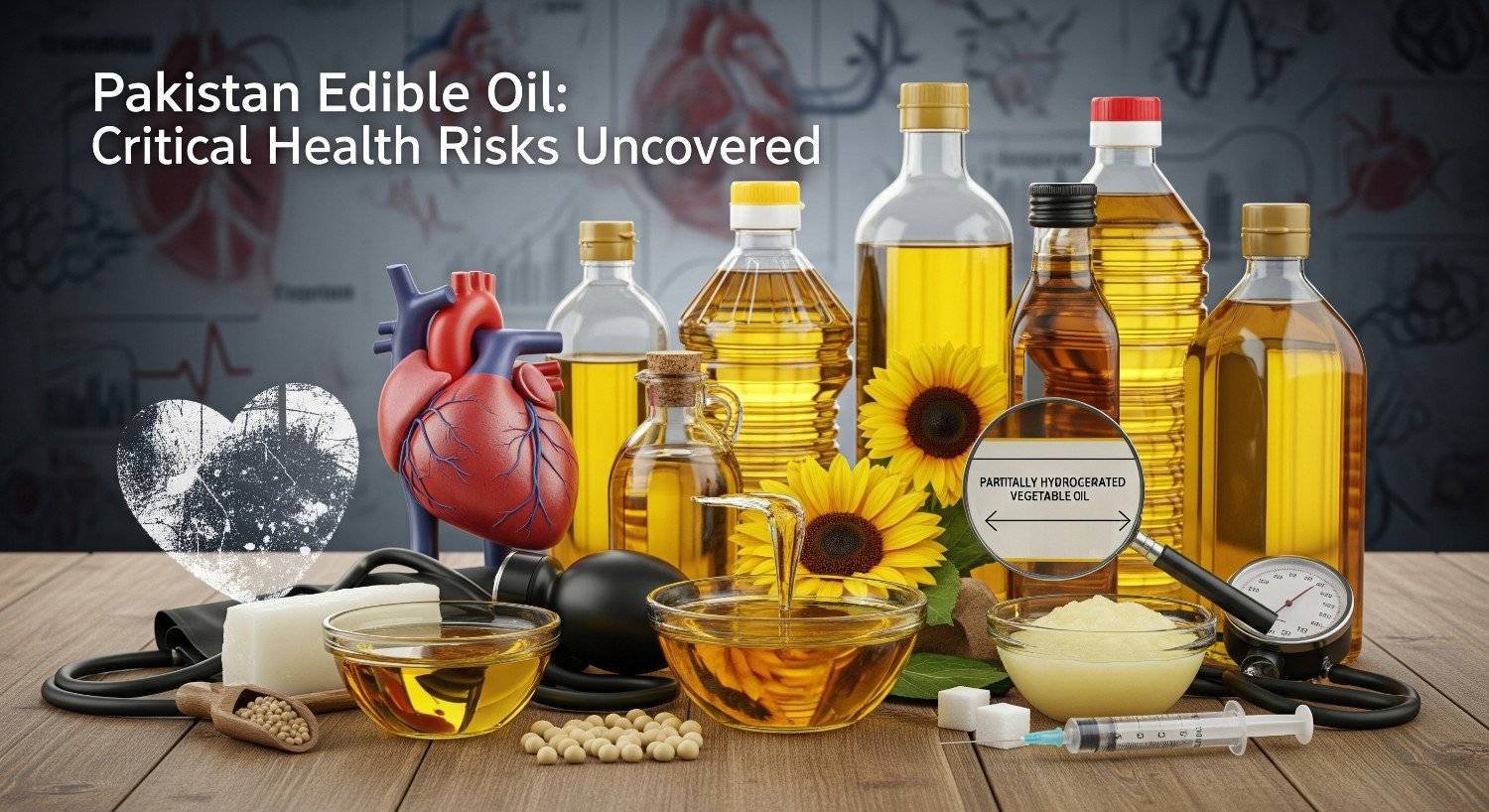
Amidst the rising demand, a significant health challenge persists. A recent consultative meeting on edible oil regularization highlighted that approximately 30 percent of the 4.5 million tonnes of edible oil consumed in Pakistan annually consists of unbranded, loose oil. This type of oil is predominantly found in semi-urban and rural areas.
Experts warn that loose oil, typically sold in bulk without proper packaging or labeling, frequently contains harmful chemicals, impurities, and biological contaminants. These adulterants pose serious public health threats, including an elevated risk of cardiovascular diseases, strokes, and brain disorders. The need for comprehensive regulation and consumer awareness is paramount.
Conclusion
Pakistan’s dependence on edible oil imports is set to intensify, with projections indicating a record high in 2025. While this signifies growing domestic consumption driven by population increase and economic activity, it also brings into focus the critical issue of unbranded cooking oils. Addressing the dual challenge of meeting demand through consistent imports and ensuring the safety and quality of oils available to consumers remains a key priority for the nation’s health and economy.