Pakistan’s Economic Expansion: A World Bank Assessment
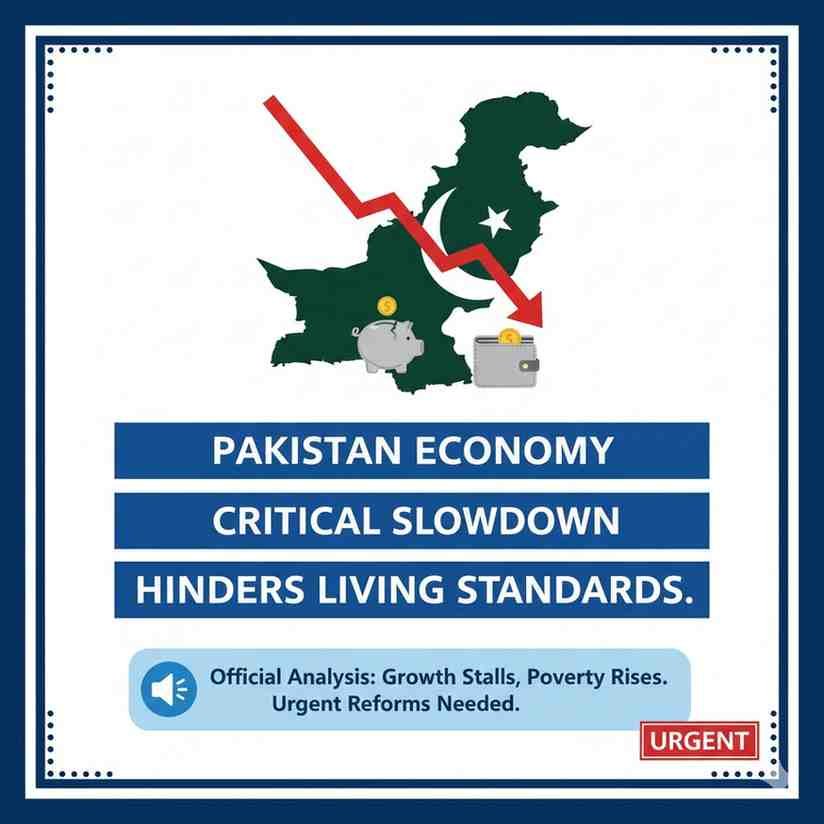
Pakistan Growth is currently too sluggish to significantly elevate living standards or generate sufficient employment opportunities for its rapidly expanding population, according to a recent World Bank analysis. This assessment underscores concerns about the nation’s long-term economic trajectory. Mukhtar Ul Hasan, a World Bank economist, emphasized in Islamabad that “Business as usual is not good for the economy.”
The report highlights that Pakistan’s growth potential has steadily declined over decades, primarily due to weak competitiveness, insufficient reforms, and a cycle of recurring crises. The nation’s economy is projected to expand by 3% in the current fiscal year, ending in June, and by 3.4% in the subsequent financial year. This pace of Pakistan Growth is considerably below what is needed to absorb the approximately 1.6 million new entrants joining the labor force annually. The central bank anticipates growth to be slightly higher, in the range of 3.25%-4.25%.
Addressing the Slow Pakistan Growth
These projections illuminate the persistent structural challenges confronting the South Asian nation, which has repeatedly required international bailouts. The World Bank strongly urges policymakers to transition from short-term stabilization measures to a comprehensive, long-term reform agenda. This strategy should prioritize productivity enhancements, boost exports, and attract private sector investment to raise incomes and reduce economic vulnerability across the country.
Recent Stability Amidst Challenges to Pakistan Growth
In a positive development, Pakistan’s economy has been regaining a degree of stability since the government narrowly averted a sovereign debt default two years ago. Weak consumer demand, combined with policy adjustments, has seen consumer price inflation drop below 10% in the past year, following a period of record inflation and currency devaluations. This easing inflation has reportedly decreased poverty to 22% in fiscal 2025, down from 25% the previous year, as stated by Christina Wieser, a senior economist at the bank. Poverty is projected to remain around 21%, adds Hasan. SindhNews.com reports that these figures provide a glimmer of hope amidst the broader economic concerns.
Under its ongoing loan program with the International Monetary Fund, Pakistan has implemented measures such as increasing energy prices and initiating the privatization of state-owned enterprises, including the loss-making Pakistan International Airlines. Mukhtar Ul Hasan reiterated the critical need for Pakistan to implement “deep and meaningful reforms” to shift the country onto a faster development trajectory.
Conclusion
While Pakistan has achieved some economic stability and a reduction in inflation, the World Bank’s report clearly indicates that the current pace of Pakistan Growth is inadequate for fundamental improvements in living standards and job creation. The path forward demands sustained and profound structural reforms focused on long-term productivity and investment to ensure a more prosperous and resilient future for its populace.